I. From Talmudic Aramaic to Modern Dialects
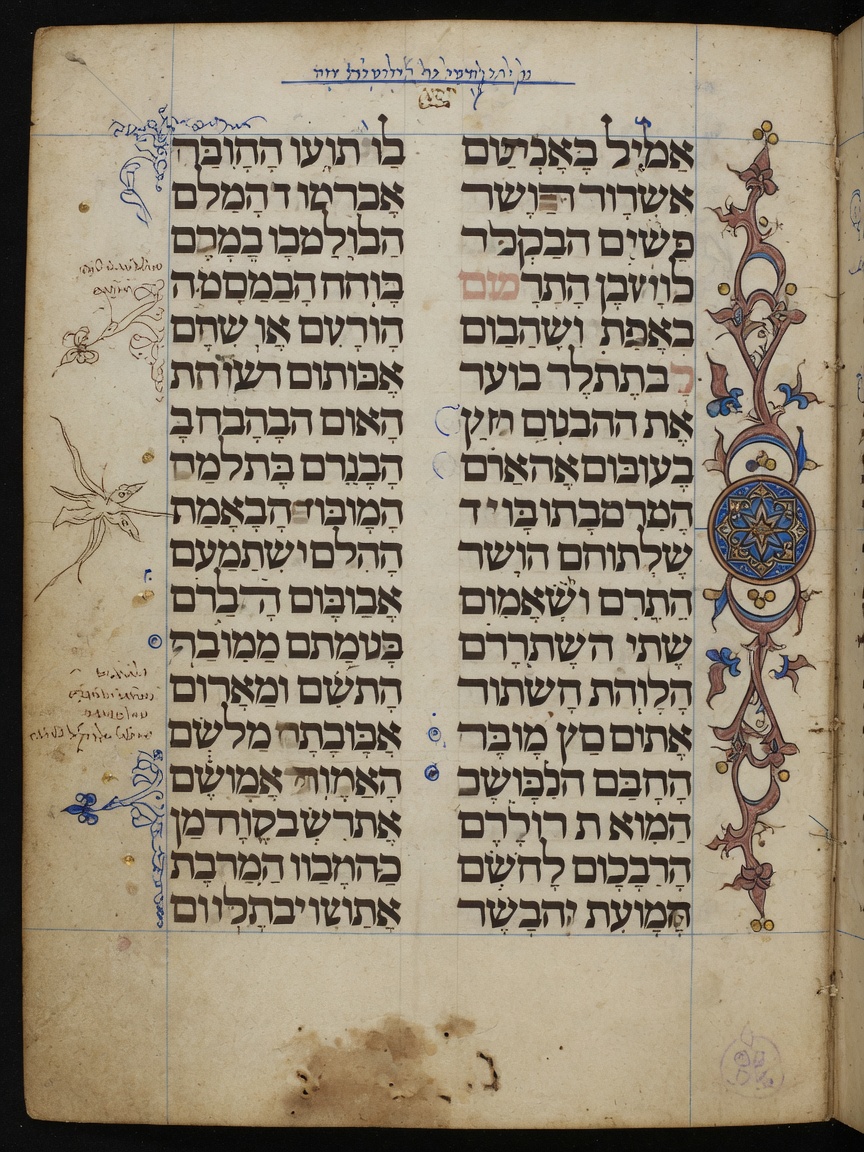
Classical Aramaic — the language of the Babylonian Talmud, the Targumim, and synagogue prayers — evolved into Jewish Neo-Aramaic vernaculars spoken until recently in the mountains of Kurdistan, the plains of Mosul, and the cities of Urmia and Sanandaj. These are not fossilized Talmudic Aramaic but living languages (now mostly endangered) with their own phonology, syntax, and vocabulary, related to but distinct from Christian and Muslim Neo-Aramaic neighbors.
Geoffrey Khan has led the most comprehensive documentation project, recording elderly speakers and publishing grammars of dialects that may otherwise vanish unrecorded.
II. Major Dialect Groups
- Northeastern Neo-Aramaic (NENA) — the largest family, including Jewish dialects of Urmia, Sanandaj (Suleimaniyya), and Iraqi Kurdistan
- Trans-Zab Jewish Aramaic — dialects south of the Great Zab river in Iraq
- Central Jewish Neo-Aramaic — including the dialect of Nerwa and neighboring villages
- Hulaula — the Jewish dialect associated with Sanandaj, name derived from Aramaic yāhūd (Jew)
Each village often had its own recognizable sub-dialect — a microcosm of linguistic diversity that astonished fieldworkers who expected a single "Jewish Aramaic."
III. Diglossia: Neo-Aramaic, Hebrew, and Arabic
Jewish Neo-Aramaic communities typically operated in a three-language stack:
- Hebrew — liturgy, Torah reading from the Masoretic Text, rabbinic correspondence
- Aramaic (Neo-Aramaic) — daily speech, women's oral literature, some homiletic traditions
- Arabic or Kurdish — trade, relations with Muslim neighbors, official life
Men who studied in yeshivot added Talmudic Aramaic as a literary language — a second, archaic Aramaic layer atop the Neo-Aramaic mother tongue. The Kaddish and Kol Nidre they prayed were in yet another register: classical synagogue Aramaic frozen in liturgy. → Survival of Aramaic note
IV. Displacement and Endangerment
The twentieth century shattered Neo-Aramaic speech communities. Iraqi Jews fled to Israel after the 1940s; Iranian Kurdish Jews followed after 1979. Israeli language policy promoted Hebrew; children abandoned Neo-Aramaic within a generation. Today the remaining speakers are overwhelmingly elderly. UNESCO classifies most Jewish Neo-Aramaic varieties as severely endangered. Recording projects, university courses, and cultural festivals (like those organized by descendants of Urmia Jews) fight against silence — but linguists speak frankly: without intergenerational transmission, these dialects may become museum pieces within decades.
V. Why Jewish Neo-Aramaic Matters to the Masoretic Story
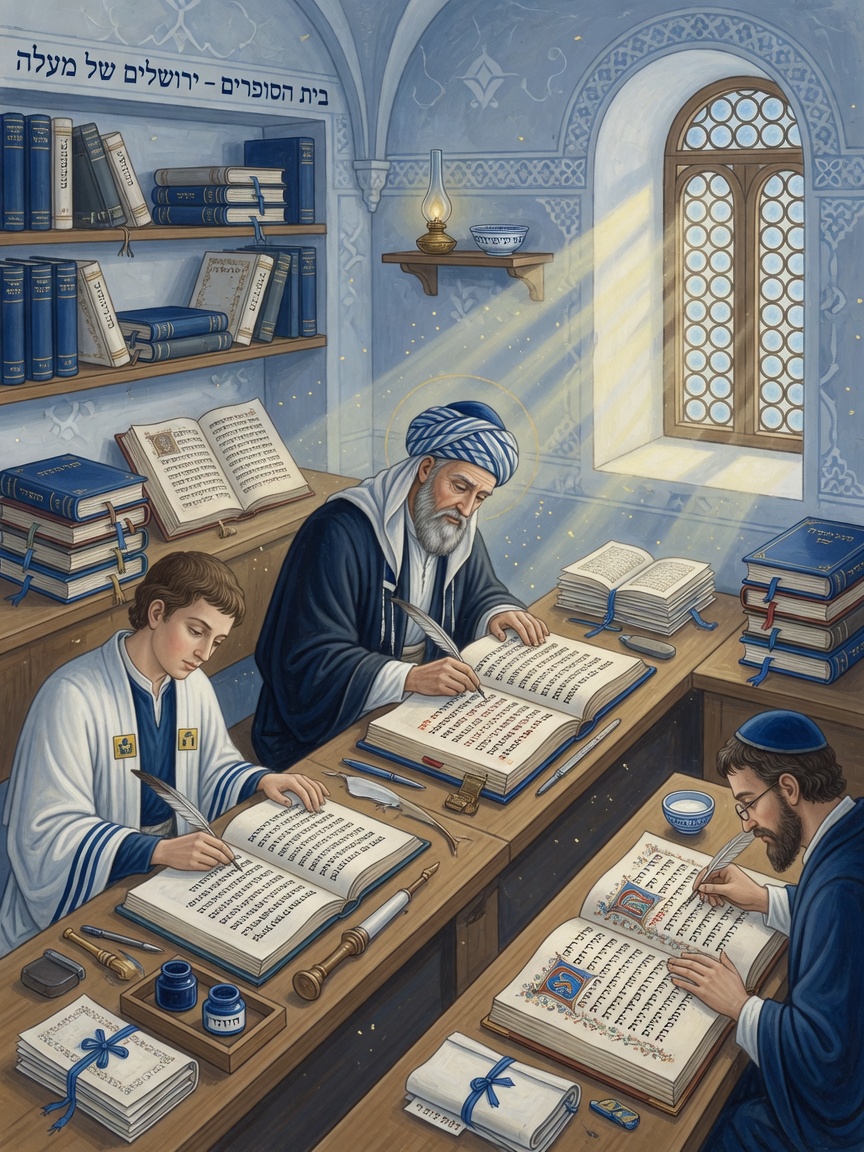
The Masoretes worked in a Palestine where Aramaic was still a living Jewish language. Jewish Neo-Aramaic is the last echo of that world in vernacular form — proof that Aramaic did not survive only in books. When a Kurdish Jewish elder recites a folktale in Neo-Aramaic, the cadence bears a family resemblance to the Aramaic of the Talmud and the Targum Onkelos chanted beside the Hebrew Torah. Documenting Neo-Aramaic is documenting the final chapter of a linguistic line the Masoretes took for granted.