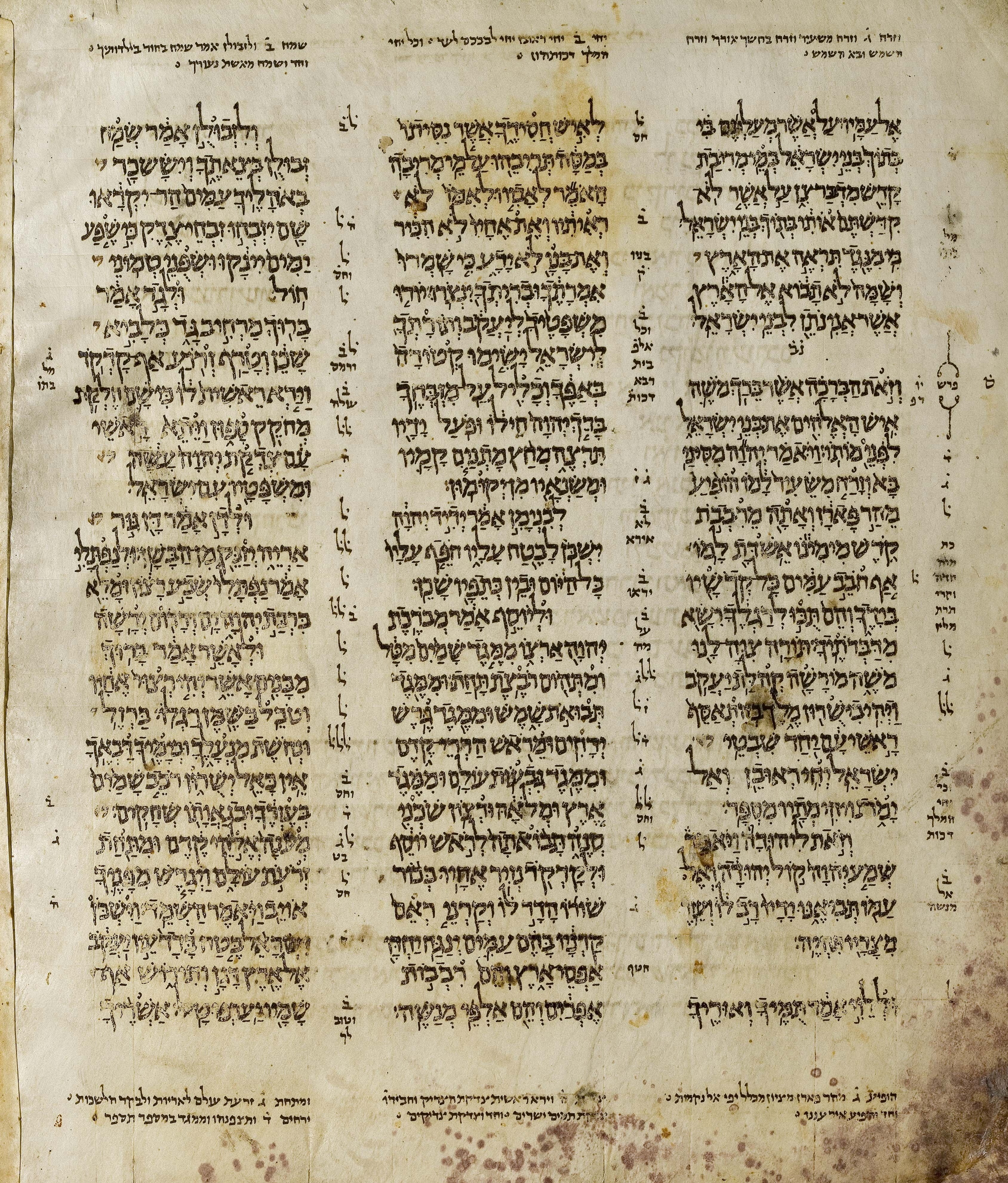
I. Birth in Iberia, Life in Exile
Ladino crystallized among Jews in medieval Castile and Aragon who spoke Romance vernaculars at home and Hebrew in synagogue. After the expulsions of 1492 (Castile and Aragon) and 1497 (Portugal), Sephardic exiles carried their speech to the Ottoman Empire — Salonica, Istanbul, Izmir — and to North African entrepôts. Cut off from Iberian Spanish, Ladino preserved archaic phonology and vocabulary while absorbing Turkish, Greek, Balkan, and Arabic loanwords. Scholars call it a "living fossil" of fifteenth-century Judeo-Castilian, though living speakers always innovated.
II. Names, Scripts, and Registers
Speakers themselves use many names: djudeo-espanyol, judezmo, spanyolit, ladino (originally the word for "Latin" translation, later the language itself). It is written primarily in Hebrew letters (Rashi script or square Hebrew), though modern revivalists also use Latin orthography. Registers range from:
- Folkloric Ladino — romances, lullabies, proverbs
- Liturgical Ladino — ḳina elegies, Purim plays
- Literary Ladino — journalism in Salonica, rabbinic responsa in vernacular
- Biblical Ladino — translations and commentaries like the famous Me'am Lo'ez
III. Ladino and the Masoretic Bible
Sephardic communities read the same Masoretic Text as Ashkenazim and Mizrahim — pointed in study editions, unpointed on the Torah scroll. Ladino entered the story as translation and explanation:
- Me'am Lo'ez — Jacob Culi's monumental Ladino commentary on the Pentateuch (18th c.), bringing midrashic and halakhic lore to Ottoman Jews in vernacular prose
- Liturgical translations — Ladino renditions of prayers and biblical readings for congregations less fluent in Hebrew
- Hebrew grammatical tradition — Sephardic grammarians in al-Andalus (Ibn Janach, Kimhi) analyzed Hebrew with scientific precision while Ladino remained the language of the home
IV. Geographic Spread
Ladino-speaking communities flourished in:
- Ottoman cities — Salonica (once called "the Jerusalem of the Balkans"), Istanbul, Sarajevo
- North Africa — Tetouan, Tangier, cities with Sephardic merchant colonies
- Americas — New York, Buenos Aires, Seattle, Mexico City
Each center developed local flavor — Salonica Ladino absorbed French and Italian; Moroccan Judeo-Spanish mixed with Judeo-Arabic. The Holocaust destroyed Salonica's Jewish majority; emigration and assimilation reduced daily use everywhere. Yet Ladino enjoys a passionate revival among descendants, universities, and cultural institutions like the Sephardic Studies Program at the University of Washington.
V. A Sephardic Soundscape
Ladino music — romances tracing back to Iberian ballads, wedding songs, Sabbath hymns — preserves linguistic archaisms lost in speech. Scholars such as Henriette Aslanov and Samuel Armistead collected thousands of oral texts. Listening to a Ladino romance is hearing medieval Spain refracted through five centuries of exile — still in conversation with the Hebrew psalm chanted beside it in synagogue.