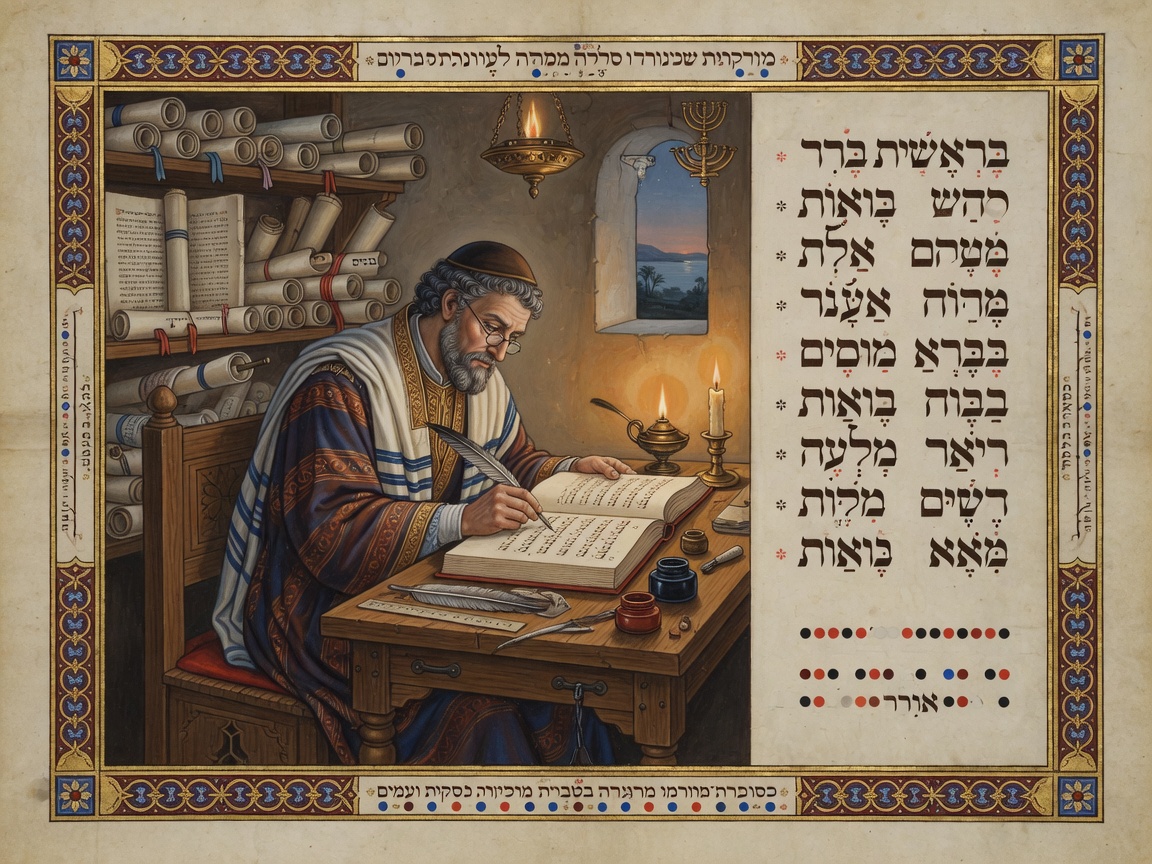
I. Free Port and Jewish Modernity
Odessa, founded as a free port in 1794, attracted Jews from Galicia, Ukraine, and Bessarabia. Its relatively liberal atmosphere made it a capital of the Haskalah in the Russian Empire — Hebrew and Russian newspapers, theaters, and schools.
Jews spoke Russian and Yiddish in the streets but prayed in Hebrew from the same pointed Bibles used across the Pale.
II. Literature, Learning, and Liturgy
Odessa produced Hebrew poets (Bialik studied here), Zionist activists, and Talmudic scholars. Synagogues ranged from reform-leaning to strictly Orthodox; all anchored public worship in the weekly Torah cycle of the Masoretic Text.
The city's Jewish hospital, ORT schools, and commercial elite made Odessa a showcase of modern Jewish civilization — still biblical at its liturgical core.
III. Pogroms, Revolution, and Emigration
The 1905 pogrom shocked world Jewry. Soviet rule and World War II devastated the community. Post-Soviet Odessa maintains synagogues and a Jewish museum; most Odessa Jewry lives in Israel and Brooklyn, preserving the city's Russian-Yiddish-Hebrew trilingual memory.